Stories from the city
Unusual London
by Visites Londres
The stories London
doesn't tell about itself
Hidden places, forgotten figures, strange traditions, medieval punishments — London as you've never seen it.
Articles & Curiosities
The Blog
London and English history, surprising etymologies, medieval traditions, forgotten figures — articles that shed light on what you'll discover during our tours.
Language
October 2022
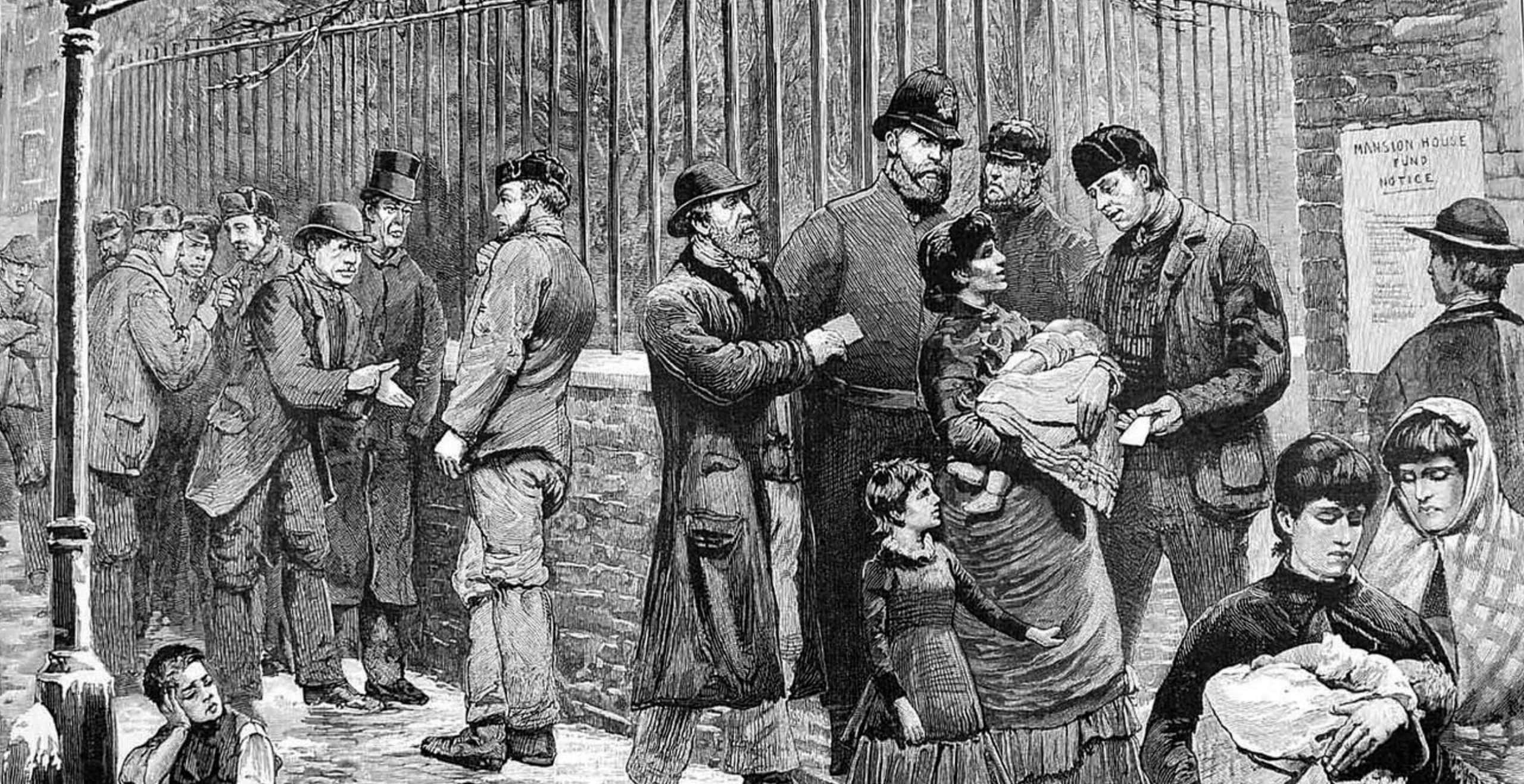
Pronounce it like a Cockney
London is full of place names that bear no relation to how they're spelled. From Holborn ("O-bun") to Leicester ("Less-ter"), the independent Cockney guide to London pronunciation.
Read
Clubs & Posh
January 2020
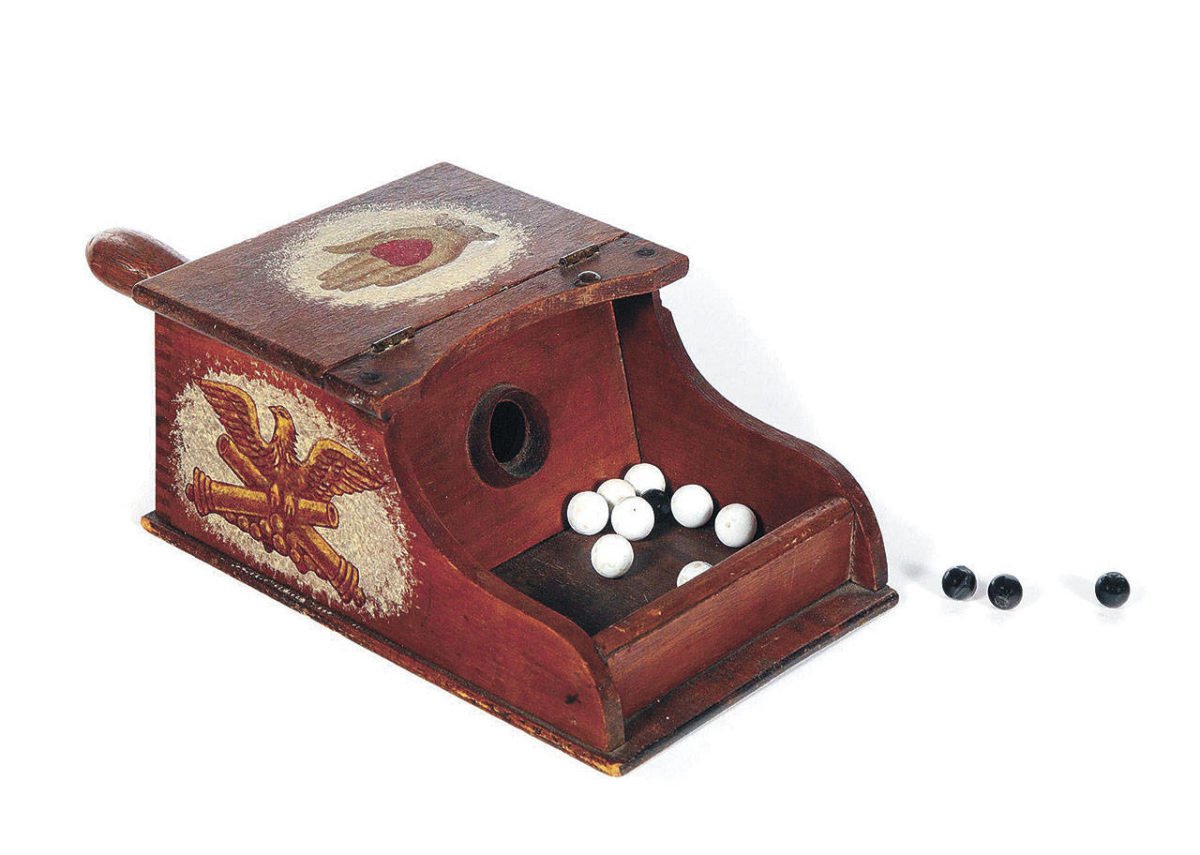
Blackballed: a very posh origin story
The word "blackball" comes from the elite London clubs of the 18th century — White's, Brook's, Boodle's — where membership was decided by a vote using black or white balls.
Read
Characters
October 2018
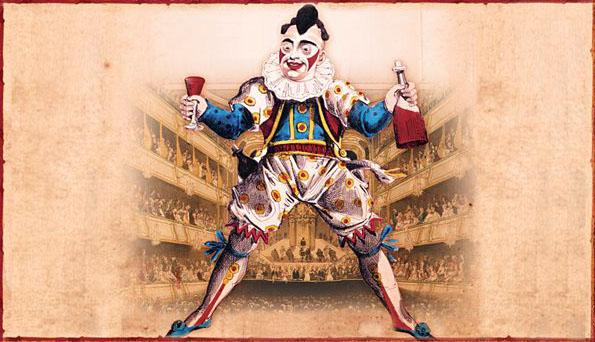
What on earth is this masquerade?
Joseph Grimaldi, the most famous clown in the world, is buried in a park in Islington. A Dickensian life between Sadler's Wells Theatre and a fame that concealed a terrifying childhood.
Read
Dark History
September 2018
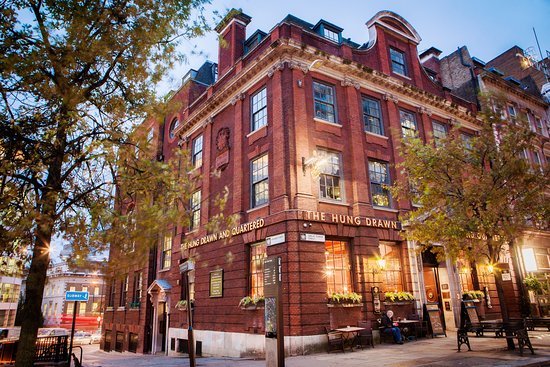
Hung, Drawn and Quartered: the ultimate medieval punishment
Near the Tower of London, a pub bears this grim name. "Hanged, dragged and cut into quarters" — the fate reserved for traitors to the Crown, described by Samuel Pepys in 1660.
Read
Traditions
June 2018
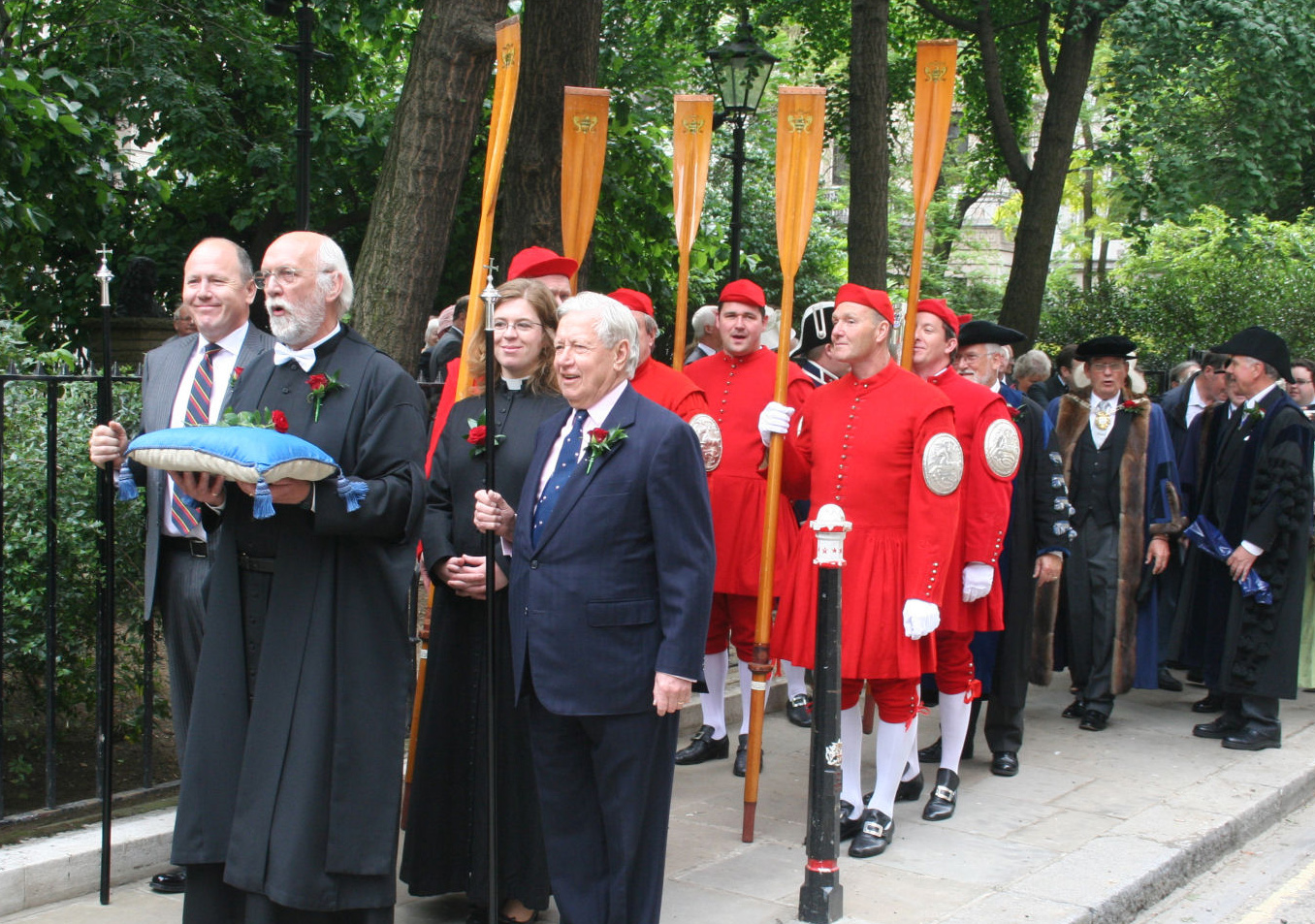
The Knollys Rose Ceremony: a medieval planning dispute
Each summer, a single rose is presented to the Lord Mayor of the City — a tradition dating back to 1381. The reason? A fine for building a bridge without permission.
Read
Mythology
May 2018
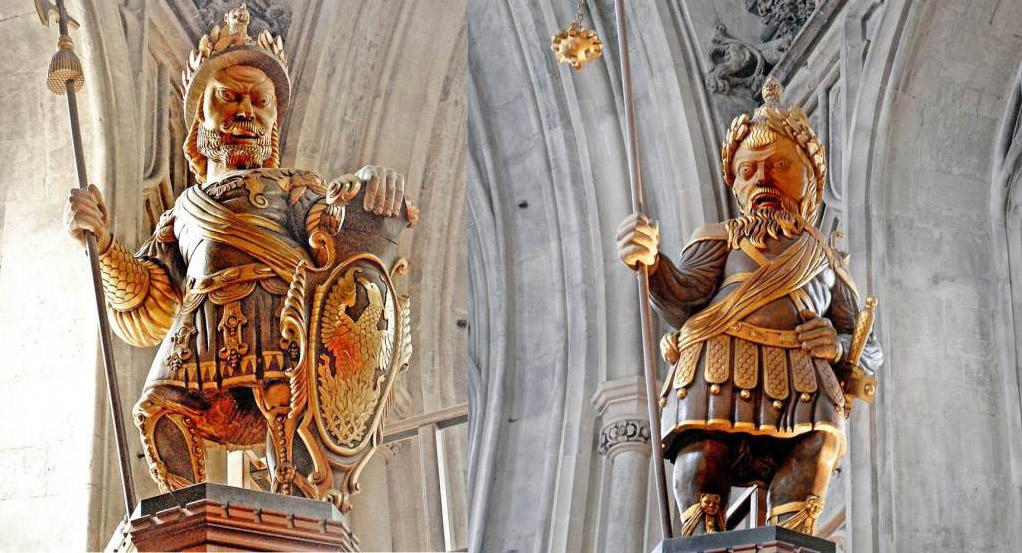
Albion, Britain, Cornwall: What's in the name?
Where do the names Albion, Britain and Cornwall actually come from? From a mythological patchwork invented in the Middle Ages to give English kings a suitably ancient legitimacy.
Read
Art & Funerary
March 2018
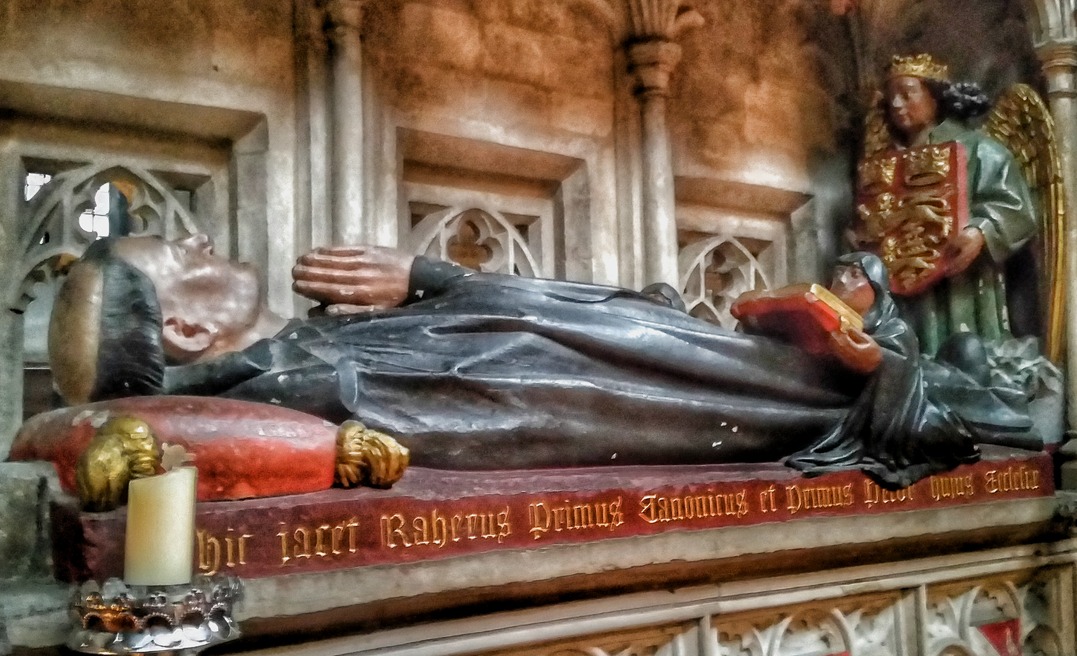
Crossed legs on tombs: a peculiarly English tradition
Medieval English effigies often show the deceased with crossed legs — a detail virtually unknown elsewhere. England's funerary sculpture and its extraordinary surviving treasures.
Read
Secret Places
March 2018
Alsatia in London: a lawless sanctuary
In the 17th century, between Fleet Street and the Thames, there existed a sanctuary called Alsatia — a no-go zone where criminals and debtors found refuge, beyond the reach of justice.
Read
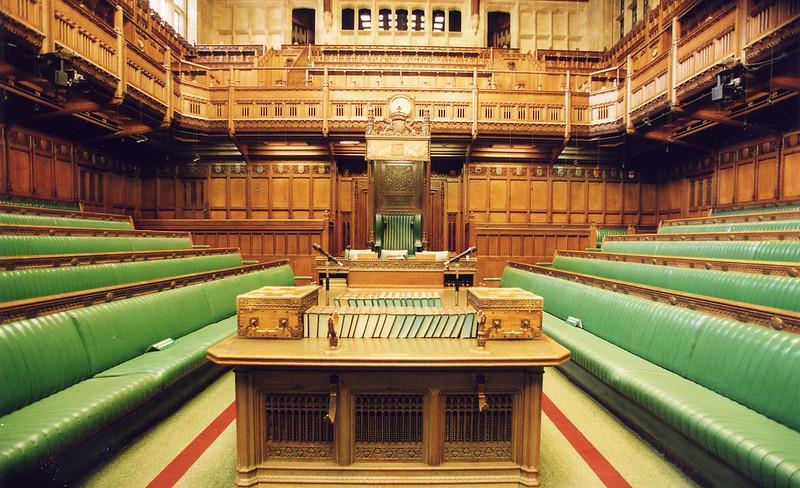
Parliament
January 2018
The oddities of the House of Commons
437 seats for 659 MPs, two sword-lengths between the benches — the House of Commons is a living museum of Britain's most astonishing traditions.
Read
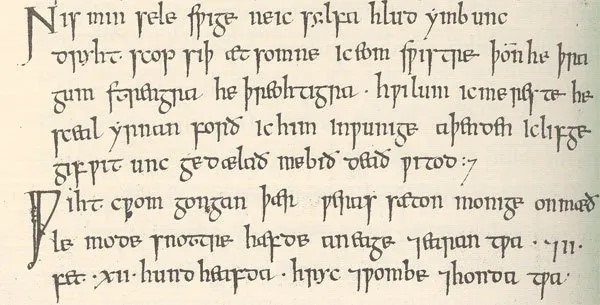
Language
November 2017
Saxon or French?
French visitors are often surprised by how many English words they recognise. The reason? Since 1066 and the Norman Conquest, more than a third of the English vocabulary is of French origin.
Read
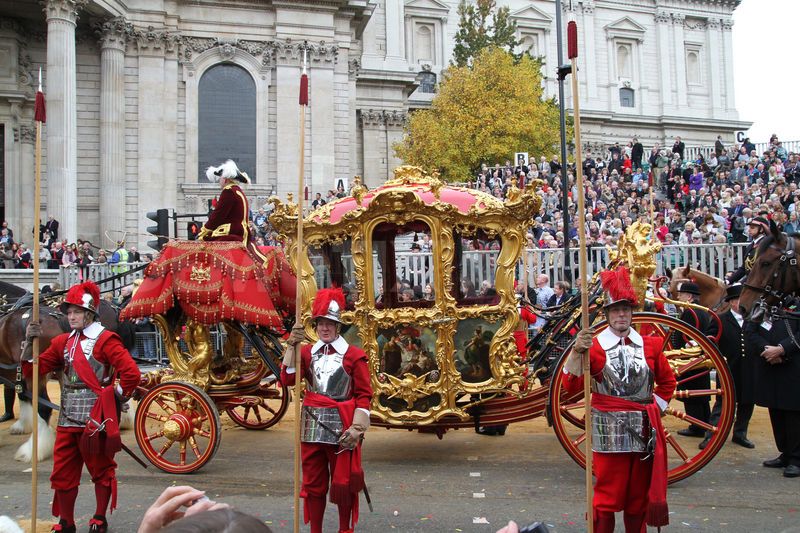
Traditions
November 2017
The Lord Mayor's Show
Since 1215 — the year of Magna Carta — the newly elected Lord Mayor of the City has processed each year to Westminster to swear allegiance to the Crown. Over 800 years of unbroken continuity.
Read
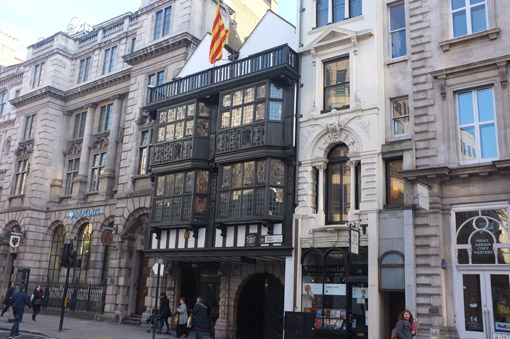
Londres Secret
July 2017
Mrs Salmon's Waxworks
Long before Madame Tussaud, there was Mrs Salmon and her waxwork cabinet on Fleet Street — Charles I on the scaffold, Boudicca, and a countess said to have given birth to 365 children at once.
Read
